
If you’ve ever encountered an oversized load on the road, you may have wondered why pilot cars are stopping traffic, occupying additional lanes or asking motorists to wait while a load moves through an intersection.
From behind the wheel, a short delay can be frustrating. But when transporting loads that are significantly longer, wider, taller or heavier than standard highway traffic, those extra precautions are an important part of getting everyone through safely.
At Scott-Woods Transport, moving an oversized load involves much more than simply getting from Point A to Point B. Every movement is carefully planned, and pilot cars play an important role in putting that plan into action on the road.
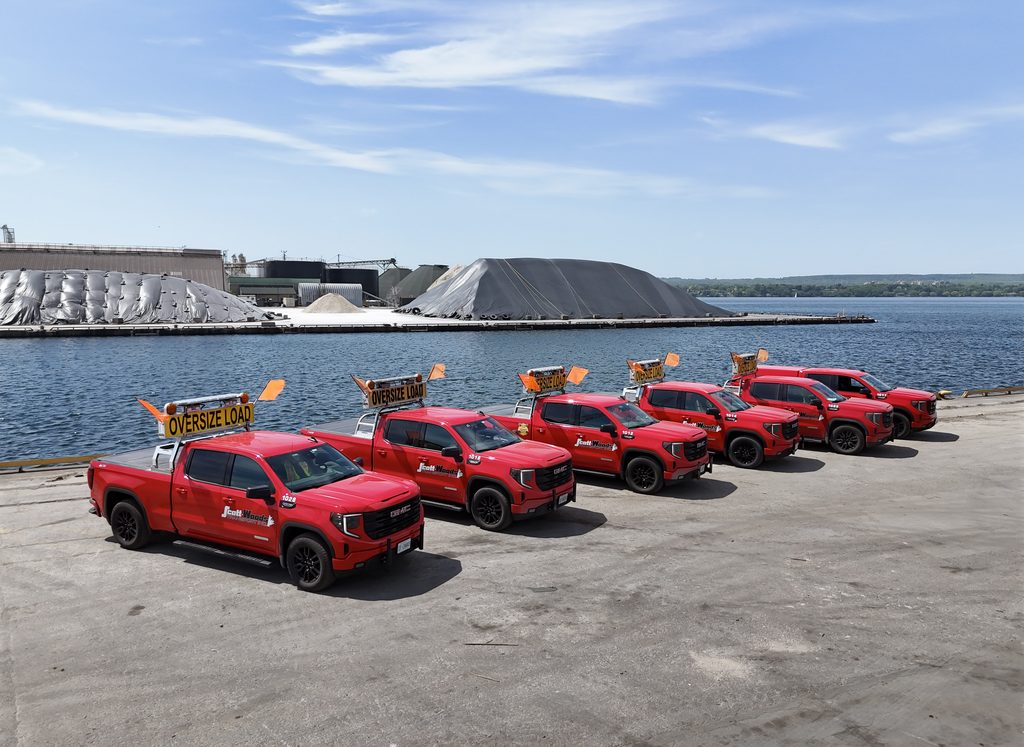
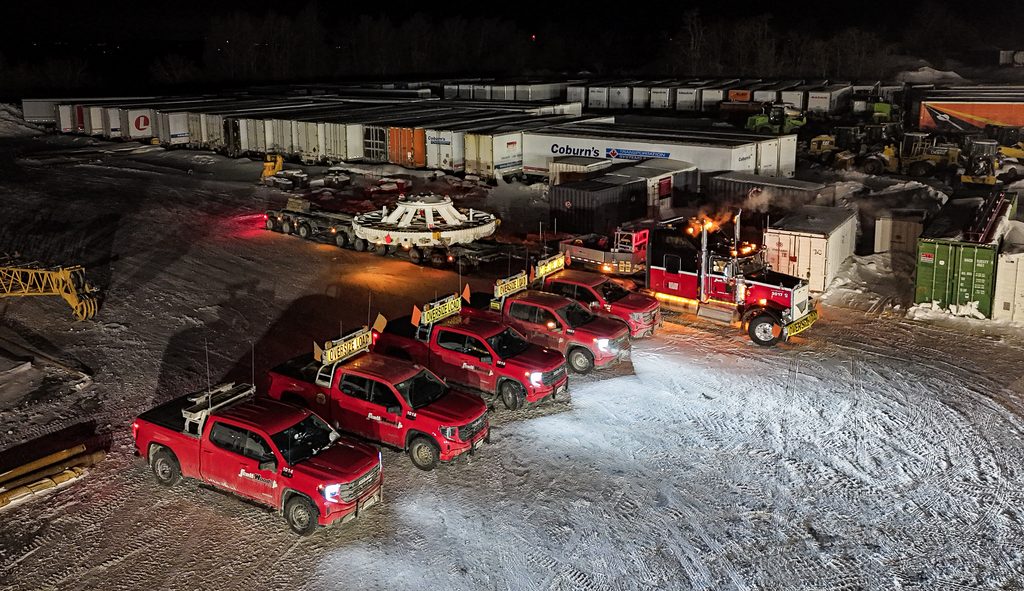
What Does a Pilot Car Do?
Pilot cars, also known as escort vehicles, travel ahead of or behind an oversized load depending on the requirements of the move.
Their role is to help protect the load, the transportation crew and, most importantly, the travelling public.
Pilot car operators communicate with the truck driver and other members of the transportation team throughout the move. They can alert the driver to upcoming road conditions, help manage traffic around the load and provide additional awareness when navigating areas where space is limited.
Depending on the dimensions of the load, route and jurisdiction, a move may require one or multiple escort vehicles, police escorts or additional support.
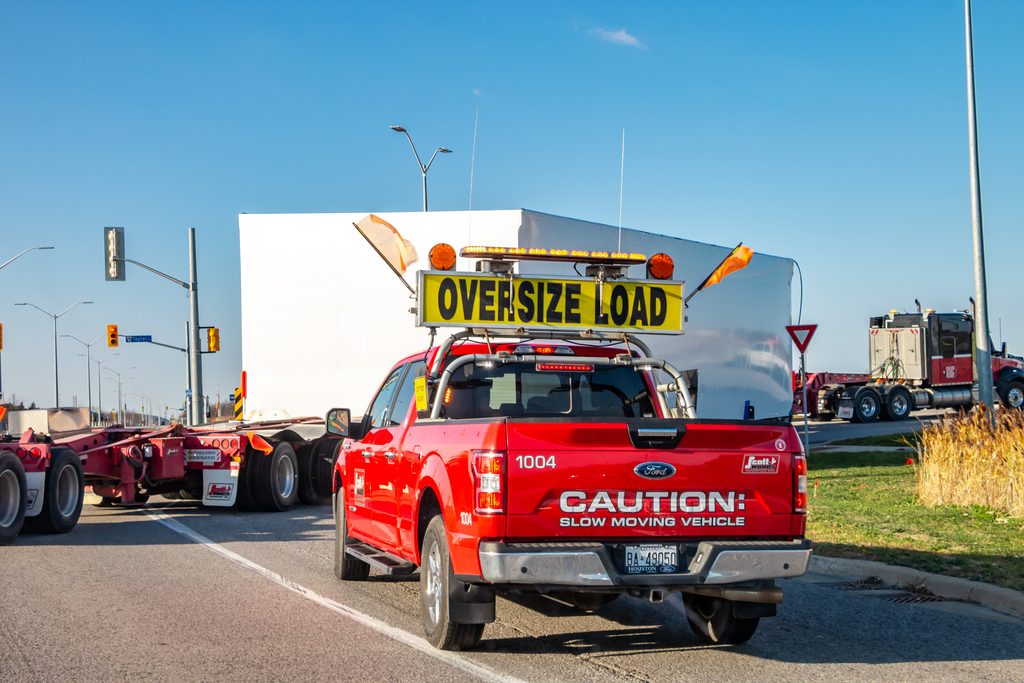
Why Do Oversized Loads Sometimes Need Multiple Lanes?
One of the most common frustrations we hear is that an oversized load is “taking up the whole road.”
Sometimes, it has to.
A tractor and specialized trailer carrying an oversized load does not maneuver like a passenger vehicle. Longer combinations require significantly more room to turn, while wide loads may physically extend beyond the limits of a single traffic lane.
When making a tight turn, for example, the transportation team may temporarily need multiple lanes to give the trailer and load enough room to safely clear curbs, signs, poles, vehicles and other roadside infrastructure.
Pilot cars help create and maintain that space.
What may look like unnecessary lane blocking from a distance may actually be preventing another vehicle from entering an area the load needs to safely complete its turn.
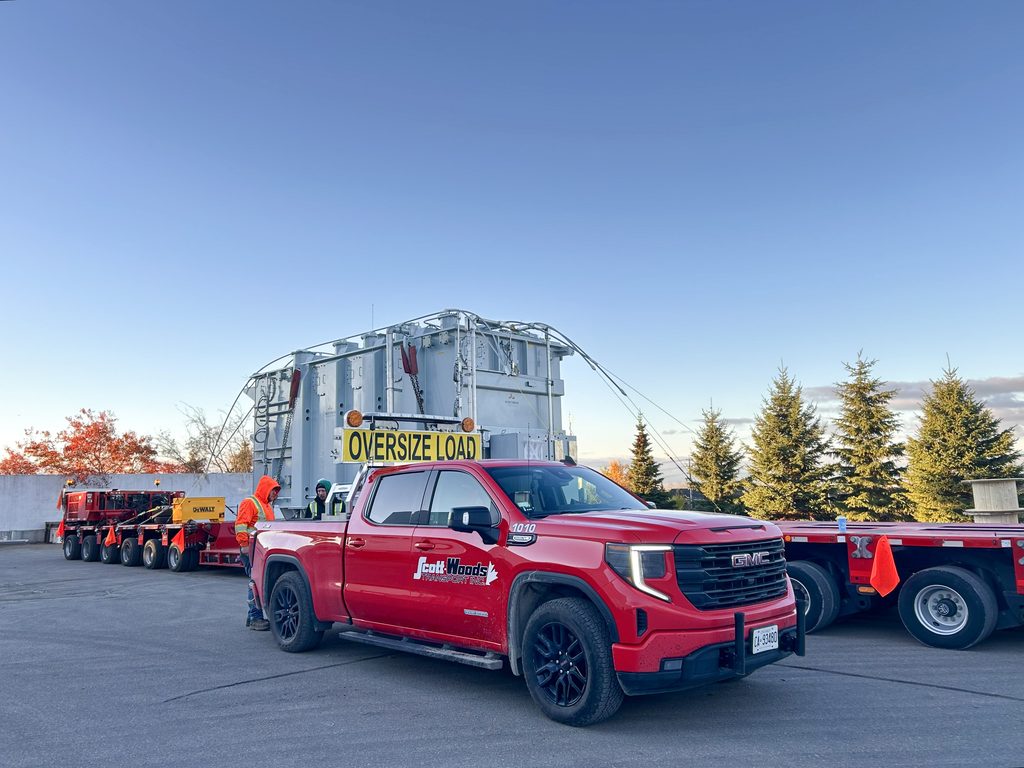
A Few Minutes Can Make a Big Difference
When a pilot car temporarily holds a lane or asks motorists to wait, however, the goal isn’t to create congestion. It is to create enough space and time for an unusual load to move through an area safely and predictably.
Our crews work to minimize disruption wherever possible while following the requirements and precautions necessary for each move.
So, the next time you see the flashing lights of a pilot car approaching, remember that there is a coordinated transportation operation happening behind it.
Giving the crew a little extra space and patience helps keep the transportation team, the load and everyone sharing the road safe.
A few extra minutes can help ensure everyone gets where they’re going safely.